Don the Beachcomber and the Birth of Tiki
How a Prohibition-era wanderer invented an entire drinking culture
A bar built out of souvenirs
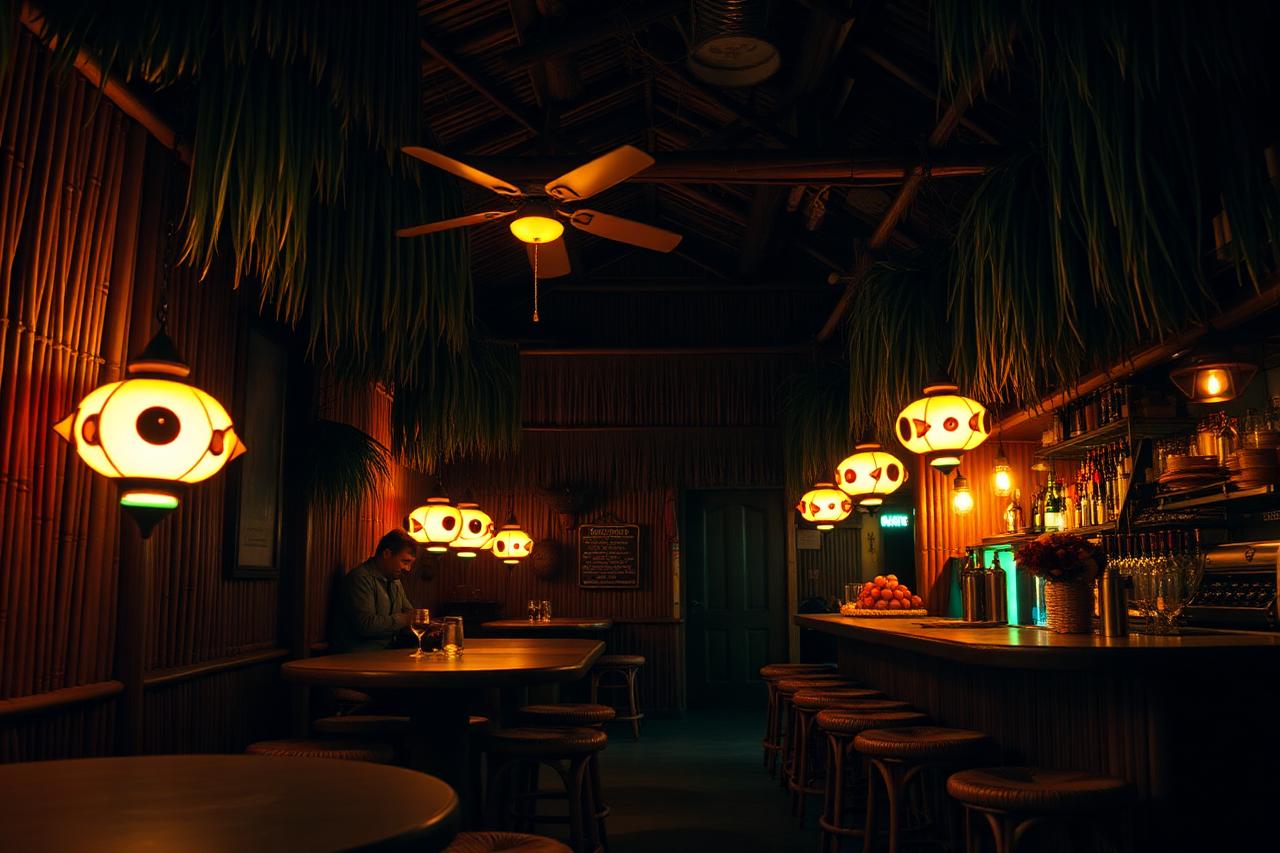
Ernest Raymond Beaumont Gantt spent his youth drifting through the Caribbean and the South Pacific. When Prohibition ended in 1933 he opened a small bar on McCadden Place in Hollywood and filled it with the flotsam he had collected along the way: fishing floats, netting, carved masks, and bamboo.
He later changed his own name to Donn Beach. The room was dark, humid, and theatrical — the opposite of the bright chrome cocktail lounges of the day — and the effect on customers was instant escapism.
The rum blend as a technique
Donn's real innovation was not decor, it was construction. Instead of one spirit he blended two, three, even four rums in a single drink, then layered them against citrus, spice syrups, and small bitter accents.
This is why so many classic recipes call for a light Puerto Rican rum alongside a heavier Jamaican pot-still rum: one gives structure, the other gives funk and aroma. Falernum, cinnamon syrup, grenadine, and absinthe were his seasonings.
Secret recipes and coded bottles
Donn protected his formulas obsessively. Bartenders worked from numbered and lettered bottles — 'Don's Mix', 'Spices #4' — so nobody could reconstruct a recipe by watching. Decades of cocktail archaeology, most notably by Jeff 'Beachbum' Berry, decoded them.
That is why a modern Zombie tastes so different from the sad red slushies served under the same name for forty years: we finally know what was in the coded bottles.
Keep reading
Trader Vic and the Mai Tai Question
Victor Bergeron claimed he invented the Mai Tai in 1944. Donn Beach said otherwise. The truth shaped the drink you make at home.
The Fall and Revival of Tiki
Tiki collapsed in the 1970s and came back forty years later, rebuilt from old menus, notebooks, and stubborn detective work.