The Fall and Revival of Tiki
From sticky sour mix to craft rum programs
How it went wrong
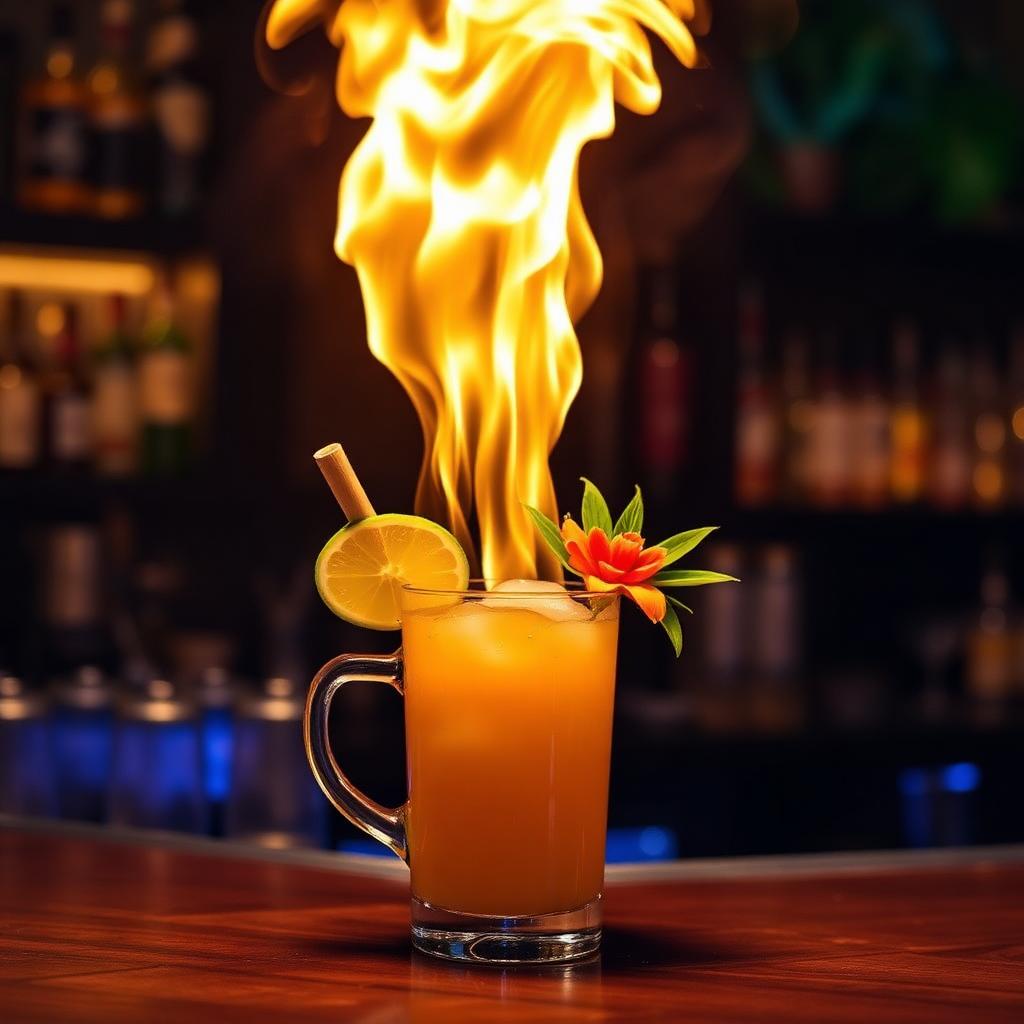
By the 1970s, cost-cutting and convenience products hollowed out the category. Fresh lime became bottled sour mix, house syrups became artificial concentrates, and rum blends became whatever was cheapest. The theater stayed; the drinks stopped being good.
Tiki became a punchline, and hundreds of bars closed or converted.
The archaeologists
Starting in the late 1990s, writers and bartenders — Jeff Berry above all — tracked down retired Don the Beachcomber staff, coaxed recipes out of memory and notebooks, and published them.
Bars like Smuggler's Cove in San Francisco and Latitude 29 in New Orleans then rebuilt tiki around serious rum programs, fresh juice, and house-made syrups.
What the revival means at home
The revival's core lesson is simple: fresh citrus, real syrups, correct ice, and blended rums. Everything else is decoration you can add at your own pace.
Make your own orgeat and falernum once and you will understand instantly why the old drinks worked.
Keep reading
Don the Beachcomber and the Birth of Tiki
Ernest Raymond Beaumont Gantt opened a tiny Hollywood bar in 1933 and quietly wrote the rulebook every tiki bar still follows.
Trader Vic and the Mai Tai Question
Victor Bergeron claimed he invented the Mai Tai in 1944. Donn Beach said otherwise. The truth shaped the drink you make at home.